Inge Nouws
Illustration,art & education


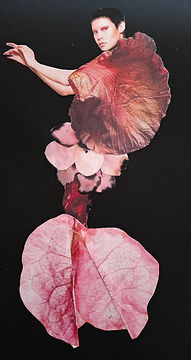
Art education should not be demonstrating how art is produced; rather, it ought to equip students with new conceptual and practical tools for creation.
In this sense, an effective art educator is not necessarily the most accomplished practicing artist. Instead, their value lies in possessing refined aesthetic judgment and the ability to recognise and articulate what makes significant or compelling art.
Such an educator fosters an environment of inspiration and intellectual curiosity, encouraging students to explore diverse visual languages and stylistic approaches. Through this process, each student, guided by their individual abilities and sensibilities, develops a distinct artistic voice and discovers innovative pathways for personal expression.
“You can experiment with art but you cannot teach it.”
BRUNO MUNARI